Collagen, Lasers, and the Menopausal Face: A Clear-Eyed Guide to Aesthetic Medicine After 40
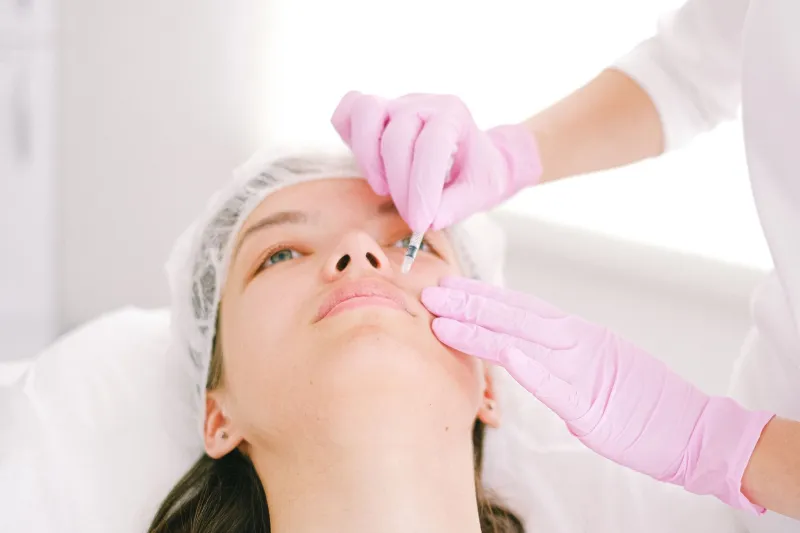
Walk into any aesthetic conference in the past two years and the shift is unmistakable: the fastest-growing patient demographic in medical aesthetics is women over 40, many of them navigating perimenopause and menopause for the first time. The industry has noticed. So have the marketers—and the gap between evidence-based treatment and expensive theater has never been wider.
This guide isn't anti-aesthetics. Done thoughtfully, aesthetic medicine can meaningfully improve skin health and, for many women, confidence during a season of significant change. Done carelessly, it can waste thousands of dollars or, worse, cause harm. Here's how to tell the difference.
What Menopause Actually Does to Your Skin
Understanding the physiology explains which treatments make sense. Estrogen receptors exist throughout the skin, and as estrogen declines, several things happen at once:
- Collagen loss accelerates. Studies suggest women can lose a substantial percentage of dermal collagen in the first years after menopause, contributing to thinning skin and laxity.
- Dryness deepens. Reduced sebum production and a weakened skin barrier mean moisturizers that worked at 35 may feel inadequate at 50.
- Melasma and pigmentation shift. Hormonal pigmentation can flare during perimenopause, and sun damage accumulated over decades becomes more visible as cell turnover slows.
- Volume redistributes. Fat pads in the face descend and diminish, changing facial structure in ways that no cream can address.
Any honest treatment plan should name these mechanisms. If a consult never mentions estrogen-related skin changes, you're being sold a menu, not a plan.
The Evidence-Backed Shortlist
Neuromodulators (Botox, Dysport, Xeomin, Daxxify). These remain the most studied and predictable treatments for dynamic lines. Effects typically last three to four months. For menopausal skin, they address lines but not texture—pair them with a skincare strategy.
Hyaluronic acid fillers. Well-supported for restoring lost volume, particularly in the midface and lips. The key is restraint: natural-looking results require a provider who understands facial anatomy and aging, not one who fills on autopilot.
Energy-based devices. Fractional lasers, radiofrequency microneedling, and certain ultrasound treatments have genuine evidence for stimulating collagen production and improving texture and laxity. Results are gradual—think months, not days—which is actually a sign you're rebuilding tissue rather than swelling.
Prescription topicals. Tretinoin remains the gold standard for cellular turnover, and topical estrogen therapy under physician guidance is an emerging, evidence-informed option for postmenopausal skin. Ask about it.
Medical-grade skincare. Sunscreen, retinoids, antioxidants, and barrier-supporting moisturizers do more cumulative work than any single procedure. A good provider will start here.
The Overhyped List
Be skeptical of: single-session 'lunchtime facelifts,' treatments marketed exclusively through Instagram before-and-afters with no clinical data, 'stem cell' or 'exosome' injectables with thin human evidence and premium pricing, and any package requiring you to commit to thousands of dollars before a single consultation.
Red Flags That Should End the Conversation
Not all med spas are created equal, and in most states, regulation lags behind marketing. Walk away if you encounter:
- No medical oversight. Ask directly: who is the supervising physician, and are they on-site or merely 'affiliated'? Injections and lasers should be performed by, or under the direct supervision of, appropriately licensed medical providers.
- Hard-sell consultations. A legitimate consult includes a medical history, discussion of contraindications, and honest talk about what a treatment can't do.
- Discount-driven urgency. 'This price is only good today' is a retail tactic, not medical practice.
- No adverse-event protocol. Ask what happens if something goes wrong and who handles complications. Vagueness here is disqualifying.
- Unlabeled or unverified products. Legitimate practices use FDA-approved products from authorized distributors and will show you the vial.
Questions Worth Asking at Your First Appointment
- What is your assessment of my specific skin concerns—collagen, barrier, pigmentation, volume?
- Which of these treatments has the strongest evidence for my concern, and which would you skip?
- What does the total annual cost look like, including maintenance?
- What are the risks, downtime, and contraindications for me specifically?
- How will my menopausal hormone status affect my results?
Aging on Your Own Terms
The best aesthetic providers aren't selling youth. They're offering you informed options during a physiological transition that affects skin as surely as it affects sleep and metabolism. Choose a practice that treats you as a patient first and a client second—one that explains the science, respects your budget, and never makes you feel that aging is a problem to be ashamed of. At Femme Health & Med Spa, that's the standard we hold ourselves to, and the standard we encourage every woman to expect.