When Hormones Hurt: Understanding the Link Between Estrogen and Women's Joint Pain
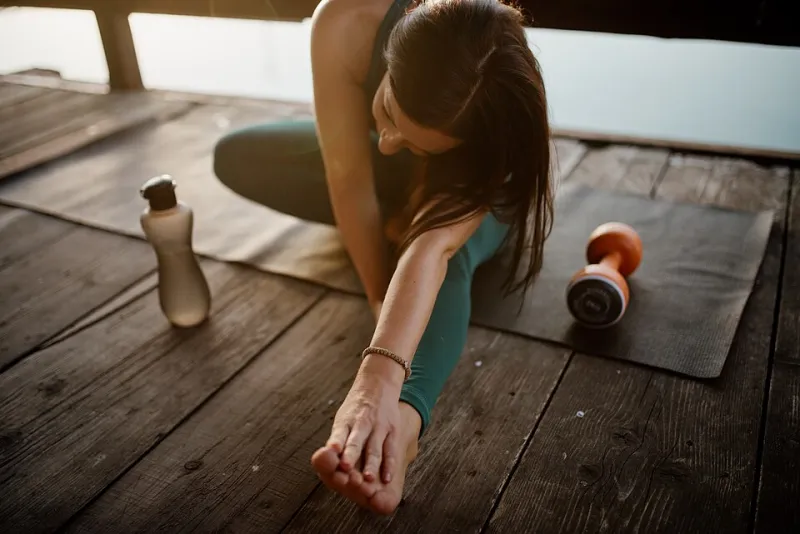
Photo: Shixart1985, CC BY 2.0, via Wikimedia Commons
Many women describe a version of the same experience: joint pain that arrives without warning, stiffness that seems to worsen at particular times of the month, or aching that intensifies during perimenopause in ways that feel disconnected from anything a sports injury or aging alone could explain. For years, these complaints were met with vague reassurances or attributed to anxiety and stress. The science, however, tells a more precise and validating story.
Estrogen is not simply a reproductive hormone. It is an active participant in musculoskeletal health, inflammation regulation, and pain perception throughout the entire female body. Understanding its influence across the lifespan offers women—and the clinicians who care for them—a more honest framework for addressing chronic pain.
The Biology of Estrogen and Joint Tissue
Estrogen receptors are found throughout the musculoskeletal system: in cartilage, bone, tendons, ligaments, and the synovial membrane that lines the joints. This distribution is not incidental. Estrogen actively influences the maintenance and repair of these tissues, and its presence—or absence—has measurable effects on how joints function and how they respond to stress.
In cartilage, estrogen helps regulate the activity of chondrocytes, the cells responsible for maintaining the structural integrity of joint surfaces. It also modulates the production of certain inflammatory cytokines, chemical messengers that, when overproduced, contribute to joint degradation and pain. When estrogen levels are stable and adequate, this system operates with relative balance. When they fluctuate or decline significantly, that balance becomes harder to maintain.
Tendons and ligaments are similarly affected. Research has demonstrated that the mechanical properties of these connective tissues change across the menstrual cycle in response to shifting estrogen levels. Some studies suggest that ligament laxity increases during the follicular phase, when estrogen peaks, which may partly explain why female athletes are statistically more vulnerable to certain injuries—ACL tears among them—during specific points in their cycle.
Who Is Most Affected and Why
The numbers are striking. Osteoarthritis affects women at higher rates than men, and women tend to develop it earlier and experience more severe symptoms. Fibromyalgia, a chronic pain condition characterized by widespread musculoskeletal discomfort, fatigue, and heightened pain sensitivity, is diagnosed in women at roughly seven times the rate of men. Rheumatoid arthritis, lupus, and other autoimmune conditions with significant joint involvement also skew heavily female.
These disparities are not coincidental. Sex hormones shape the immune system in fundamental ways, and the female immune response is inherently more reactive—a characteristic that offers advantages in fighting certain infections but also increases vulnerability to autoimmune dysregulation and chronic inflammation.
Estrogen's relationship with pain perception adds another dimension. The female nervous system processes pain through pathways that are influenced by hormonal fluctuations, resulting in a pain experience that is often more sensitive and more variable than the male equivalent. This is not a matter of lower pain tolerance; it is a matter of neurobiological difference that medicine has historically failed to take seriously.
The Perimenopause Inflection Point
For many women, joint pain intensifies during perimenopause in ways that feel sudden and disorienting. Joints that were never previously problematic become stiff and swollen. Morning aches linger longer. The knees, hips, and hands are common complaint sites, but the discomfort can manifest throughout the body.
This pattern has a physiological explanation. As estrogen levels begin their perimenopausal decline, the anti-inflammatory and tissue-protective effects that estrogen has been providing become less consistent. The result can be a noticeable increase in joint inflammation and cartilage vulnerability. Some women experience what feels like an acceleration of aging in their joints—and in a meaningful sense, that perception is accurate.
The relationship between menopause and osteoarthritis is well-documented in research literature, yet it is rarely the first framework offered when a woman in her mid-40s or early 50s presents with new joint complaints. Instead, she may be told to lose weight, take ibuprofen, or simply accept that this is what aging feels like.
Pain That Is Dismissed Is Pain That Is Undertreated
Women with musculoskeletal pain are more likely than men to have their symptoms attributed to psychological causes, and they wait longer on average for accurate diagnoses of conditions like fibromyalgia and rheumatoid arthritis. This diagnostic delay has real consequences—conditions that are caught and treated early respond better to intervention than those that are managed reactively after significant progression.
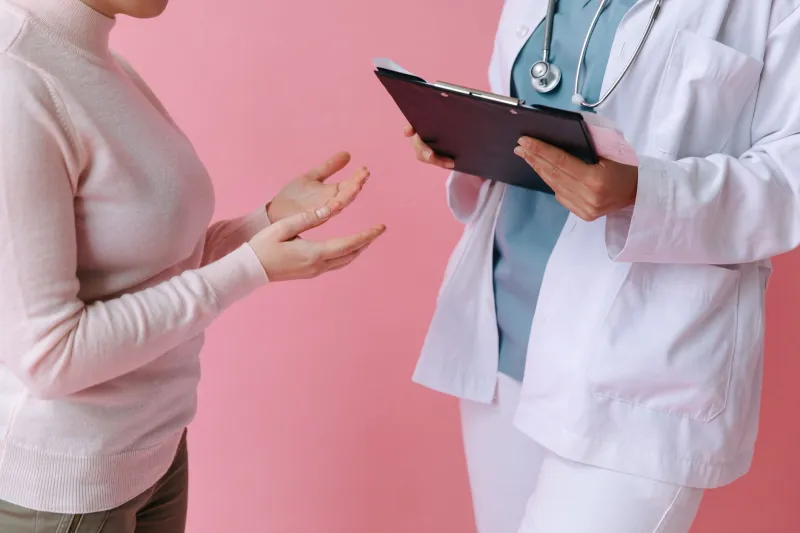
Advocating for thorough evaluation matters. A complete workup for joint pain in a perimenopausal or postmenopausal woman should include inflammatory markers, autoimmune screening where indicated, a review of hormonal status, and a discussion of how symptoms correlate with hormonal changes. Framing joint pain within the context of hormonal health is not an alternative medicine concept—it is a physiologically grounded approach that mainstream medicine has simply been slow to adopt.
Evidence-Based Strategies for Hormone-Aware Pain Management
Managing joint pain that is influenced by hormonal fluctuation requires a more nuanced approach than standard pain management protocols typically offer.
Hormone therapy considerations: For postmenopausal women experiencing new or worsening joint pain, menopausal hormone therapy (MHT) has demonstrated benefits for musculoskeletal symptoms in some research contexts. This is not appropriate for every woman, and the decision involves a careful evaluation of individual risk factors—but it is a conversation worth initiating with a knowledgeable provider rather than dismissing outright.
Anti-inflammatory nutrition: Dietary patterns that reduce systemic inflammation—emphasizing omega-3 fatty acids, colorful vegetables, legumes, and whole grains while minimizing processed foods and refined sugars—have consistent support in the research literature for reducing joint pain and slowing cartilage degradation.
Strength training and load management: Resistance training is one of the most effective long-term interventions for joint health, building the muscular support that protects joint surfaces from excessive stress. The key is programming that is appropriately scaled to current capacity and adjusted during higher-pain periods rather than abandoned entirely.
Cycle-aware activity planning: Women who track their menstrual cycles may benefit from adjusting exercise intensity and type in alignment with hormonal phases. Higher-impact or higher-load training during the luteal phase, when estrogen and progesterone fluctuate more dramatically, may exacerbate inflammation for some women.
Sleep and nervous system support: Because pain perception is amplified by sleep deprivation and chronic stress, addressing sleep quality and nervous system regulation—through consistent sleep hygiene, stress reduction practices, and where appropriate, clinical support—is a meaningful component of pain management rather than a peripheral lifestyle recommendation.
A More Complete Picture of Women's Pain
Joint pain in women is not simply the result of wear, age, or genetics operating in isolation. It is a condition shaped by the hormonal architecture of the female body—an architecture that shifts dramatically across the lifespan and deserves to be understood on its own terms.
Women who have spent years managing pain that was never fully explained may find that a hormone-informed lens offers not just new treatment options, but the validation of knowing that what they have been experiencing is real, measurable, and addressable. That recognition is not a small thing. It is, for many women, the beginning of actually feeling better.